
PASSION FOR RESULTS
Environmental Risk, Health & Safety at the workplace
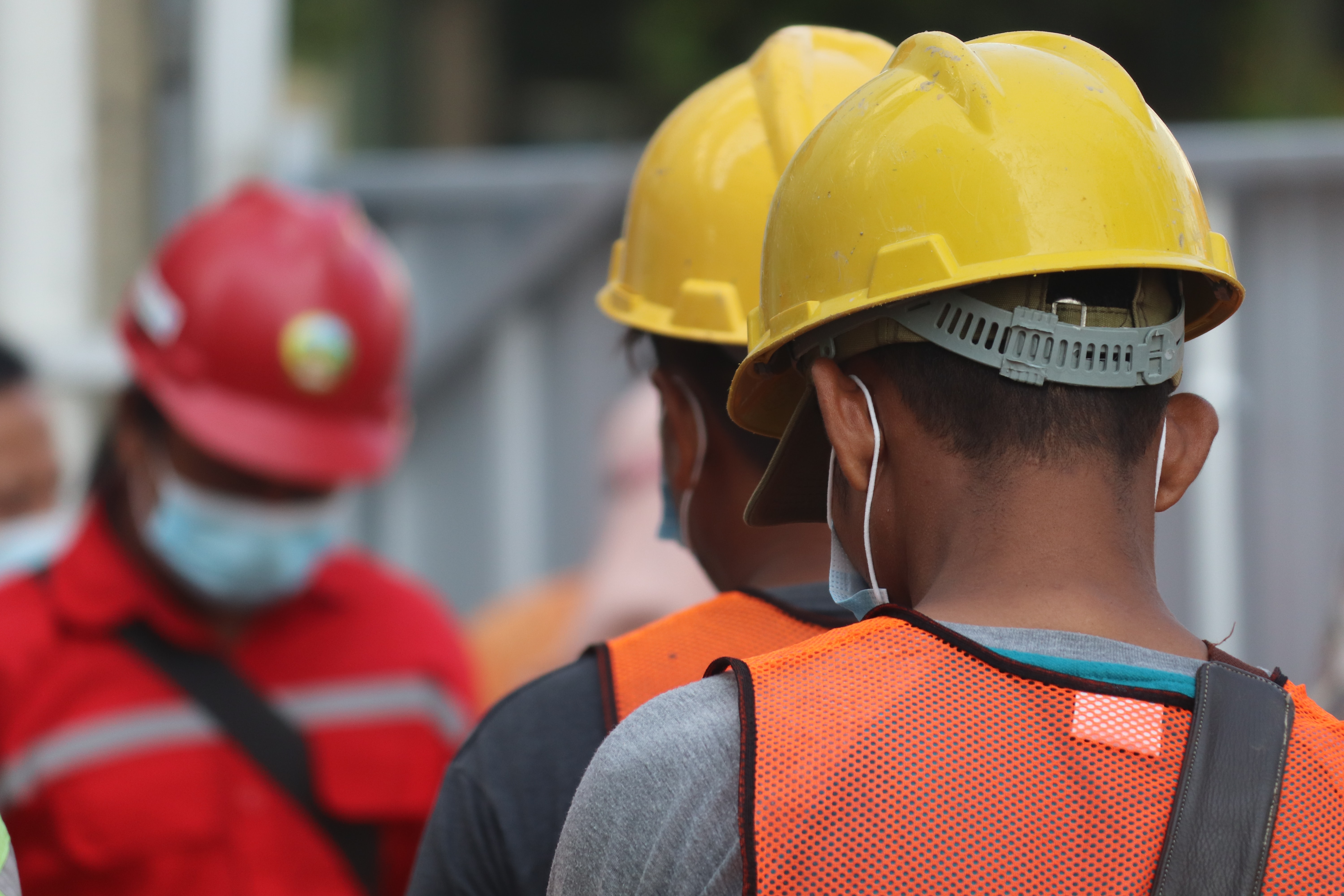
Health, safety and environment are considered a top priority due their significance in safeguarding human lives and properties, especially in high-risk industrial sectors. These industries are afflicted by workplace injuries, illnesses, and fatalities because of unsafe work environments. It is important to establish and execute an effective workplace health and safety management system to avoid the risks of irreversible accidents.
We provide you with tools, processes and procedures to identify potential hazards in workplace, develop best environmental practices to reduce or remove those hazards and training employees for accident prevention and prompt response in case of an accident at workplace.
Environmental Impact Assessment (EIA)
Environmental Impact Assessment (EIA) is a process of evaluating the likely environmental impacts of a proposed project or development, considering inter-related socio-economic, cultural and human-health impacts, both beneficial and adverse.
Sejankoe Consulting provides its services to its clients a full Environmental Impact Assessment (EIA) by:
- Identifying which potential impacts are relevant to assess based on legislative requirement, international conventions and public involvement.
- Identifying alternative solutions that avoid mitigate or compensate adverse impacts on human health and biodiversity (including the option of not proceeding with the development, finding alternative designs or sites which avoid the impacts, incorporating safeguards in the design of the project, or providing compensation for adverse impacts) and finally to derive terms of reference for the environmental impact assessment.
The EIA report includes an environmental management plan (EMP) and a non-technical summary for the general audience.

Sejankoe Consulting also monitors whether the predicted environmental impacts and proposed mitigation measures occur as defined in the Environmental Management Plan (EMP).
We verify and monitors the compliance of the project proponent with the EMP, to ensure that unpredicted impacts or failed mitigation measures are identified and addressed in a timely fashion.